Sewage Cleanup in Fairmount, IN
Sewage cleanup in Fairmount from the waste extraction through the finished drywall and paint, with photos at every step
Fairmount Water Restoration provides Sewage Cleanup in Fairmount, IN. 24/7 emergency response with IICRC certified crews, and we work with your insurance carrier on approved claims. Call (812) 515-1567 for immediate dispatch.
- Service: Sewage Cleanup for Fairmount homeowners
- Service area: Fairmount, IN and surrounding areas
- Response time: 24/7 live dispatch; emergency crews prioritized for Fairmount
- Licensed and insured (License #RC21100059)
- Serving Fairmount, IN since 2018
Sewage Backup Cleanup in Fairmount
We clean up sewage backups in homes across Fairmount, and we'll disinfect whatever can stay.
Sewer Lines Here
Older sewer lines in parts of Fairmount raise the backup risk.
When Backups Happen
Heavy rain can overload the sewer lines here and push sewage back into basements.
We work in every corner of Fairmount, including Fairmount Commercial Historic District and the blocks around the Main Street Commercial District and the James Dean Gallery/Museum. Nearby, we handle sewage backups in Gas City, Marion, Swayzee and Sweetser.
Expert Sewage Cleanup for Fairmount Homeowners
Bacteria in sewage multiply in warm wet material, and the paper facing on drywall and the foam in carpet cushion are an easy food source for them. Every hour contaminated water sits in your Fairmount basement widens the amount of material that has to come out. Fairmount Water Restoration dispatches within 2 hours so the removal line stays as tight as the job allows.
Aaron Christy founded the company behind Fairmount Water Restoration in 2018. On a sewage job in Fairmount, the crew contains the area first, removes what can't be cleaned, treats what stays and dries the structure, and it shows you the readings at each step. The final readings and photos go in the file you keep, so the whole job is easy to follow later.
Furnaces, water heaters, washers and dryers often sit in the same basement room the backup reached. The crew moves what can be moved and cleans and disinfects the floor under each unit, with photos of the area before and after. Anything with electrical parts that got wet should be checked by an appliance technician or an electrician before you run it again in your Fairmount home.
If the blockage turns out to be in the public main, ask both your agent and your town's utility how they handle backups. Keep dated notes about when sewage first appeared in your Fairmount home and whether neighbors saw the same thing, since that timeline helps whoever reviews the claim.
Your Fairmount house can usually stay in use while the work happens in one room. Phone Fairmount Water Restoration and ask which parts of the home the crew will seal off and which entrance they'll use. The answers help you plan around the days the equipment is running.
Signs You Need Sewage Cleanup
If you notice any of these in your Fairmount home, schedule a free inspection before the issue worsens.
Dark gritty water standing around the floor drain with paper debris floating in it
Wet muddy residue on the basement slab fanning out from the floor drain
A line of unusually green, soft grass running across the yard above the sewer lateral
Gurgling from the shower drain every time the toilet refills after a flush
Waste from an overflowing toilet running out the bathroom door and into the hallway carpet
Sewer cleanout cap in the yard pushed loose with water pooled around it
An upholstered chair or mattress in the basement wet at the legs after a backup
Drywall that stays cold and damp to the touch days after a drain backup was cleared
Small flies or gnats collecting around a basement floor drain or utility sink
Laminate or vinyl plank flooring lifting at the seams after a toilet overflowed with waste
How Fairmount Water Restoration Handles Sewage Cleanup
We follow these steps in order on every Fairmount job.
Phone Intake
The first call sorts out where the water entered and whether more is on the way. The answers set the equipment list, and you get instructions for keeping everyone out of the area until the crew starts work in Fairmount.
Source Isolation
Work opens with stopping the inflow. The crew locates the backup point, confirms whether the blockage sits on the house side or the public side of the line, and coordinates with the drain contractor clearing it while containment and extraction get staged.
Scope Review
Once the readings are in, the crew walks you through the written scope. It lists each material proposed for removal and the reason for it, plus the cut lines the meters support, and nothing comes off the wall until you've seen it.
Bulk Waste Extraction
Solids handling pumps and waste rated extraction units pull the standing sewage out into the truck tank. Equipment used on sewage jobs stays dedicated to that work. Hard surfaces get squeegeed down before removal work opens up the walls.
Drain and Pit Cleaning
Source points such as the floor drain and any ejector pit get scrubbed and disinfected after the main surfaces, since residue collects where the water came out. Photos before and after go into the job file.
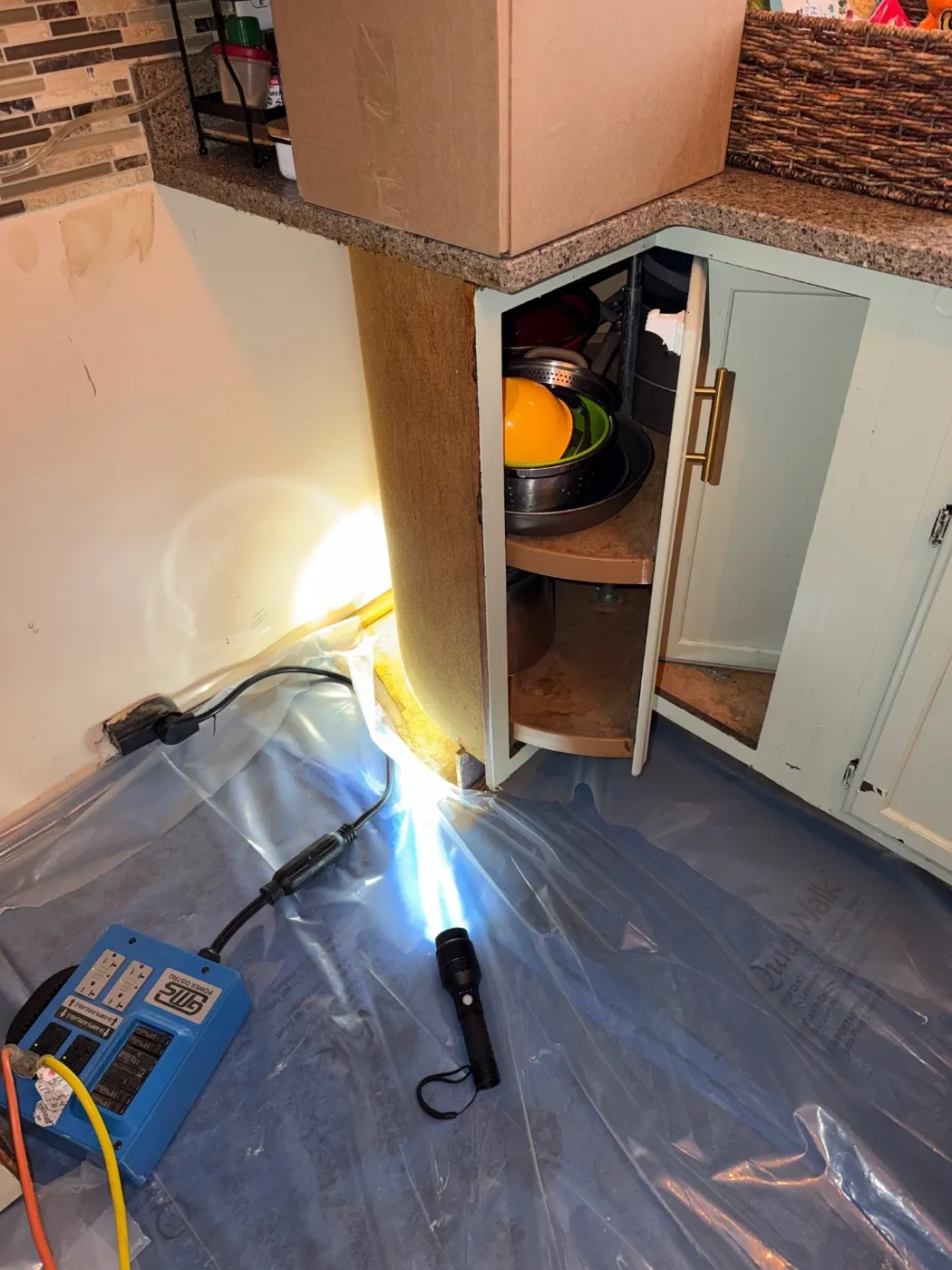
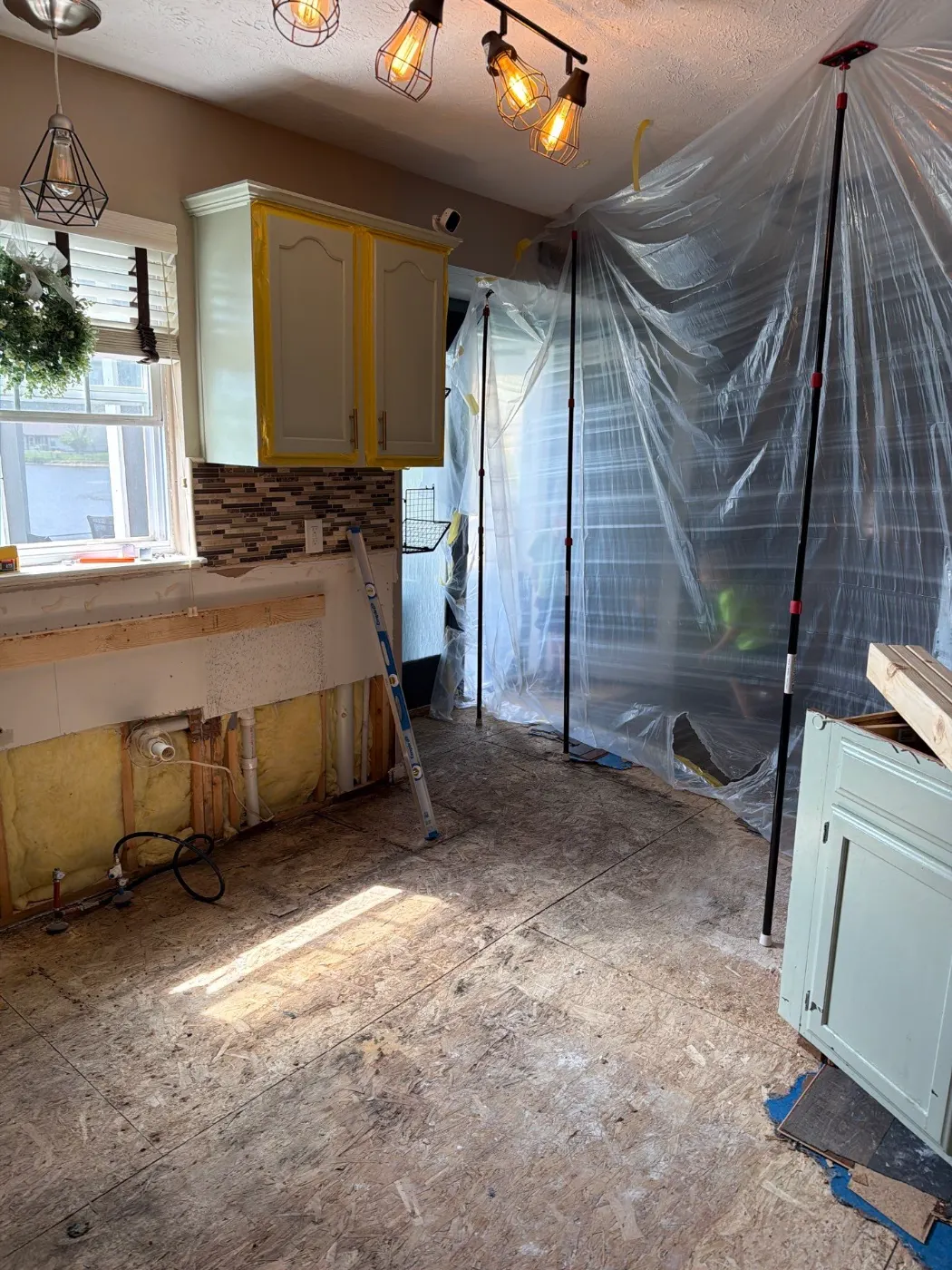
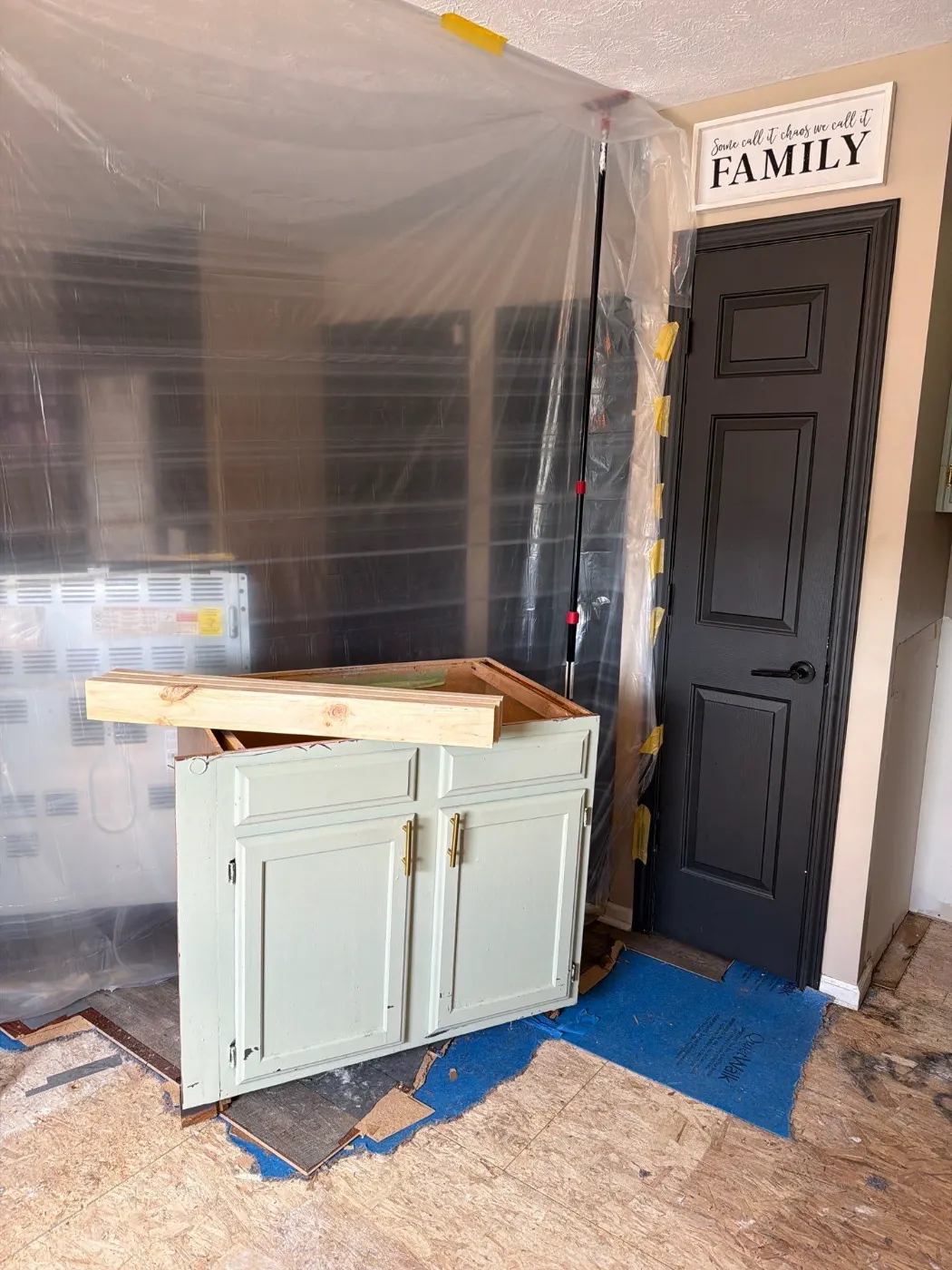
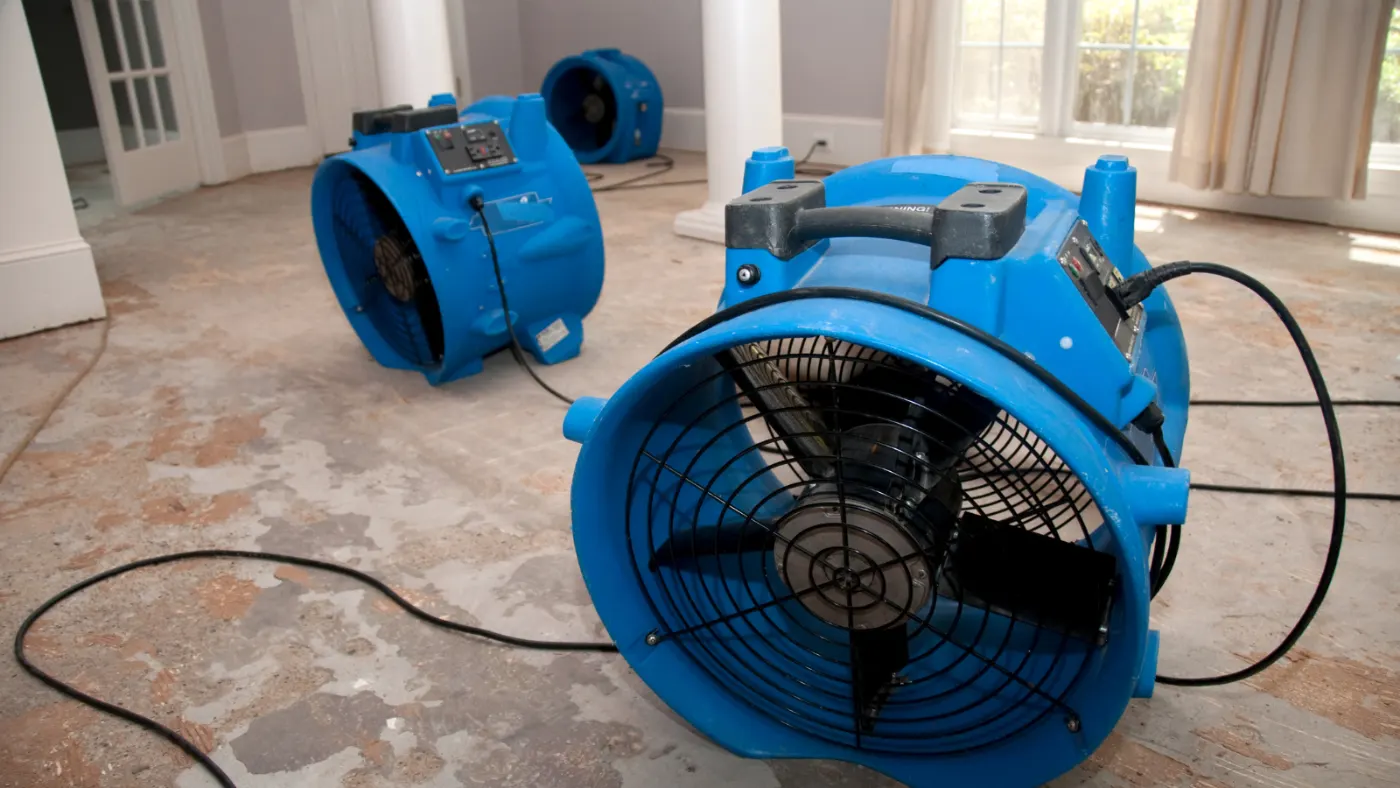
Sewage Cleanup in Fairmount
Photographs from real sewage cleanup jobs completed by our crew in Fairmount and surrounding areas.

Sewage Cleanup FAQ
Questions Fairmount homeowners ask us about sewage cleanup.
Guidance and Standards for Sewage Cleanup
- The ANSI/IICRC S500 is the published standard for professional water damage restoration. The current edition is the Fifth Edition, 2021. IICRC S500 Standard
- The Indiana Department of Insurance advises against permanent repairs before your insurance company inspects the damage. Check your own policy for what it covers. Indiana Department of Insurance: Insurance Claim Tips
Fairmount Neighborhoods We Serve
We take sewage cleanup calls in every part of Fairmount. Pick your neighborhood for local details.
Other Restoration Services in Fairmount
Fairmount Water Restoration handles the full scope of restoration work. Explore our other services below.
Water Damage Restoration in Fairmount
24/7 emergency response. IICRC certified water restoration from extraction to full dry out.
Learn more →Basement Flooding in Fairmount
Basement water emergencies handled fast. Extraction, drying, mold prevention.
Learn more →Storm Damage in Fairmount
Storm related water emergencies. Tarping, extraction, drying, and full restoration.
Learn more →Request Sewage Cleanup
Reach Us Directly
Our team is available 24/7 for emergencies and ready to schedule inspections during business hours.
Need Immediate Help?
For active water or mold emergencies, call us directly. We are available 24/7.