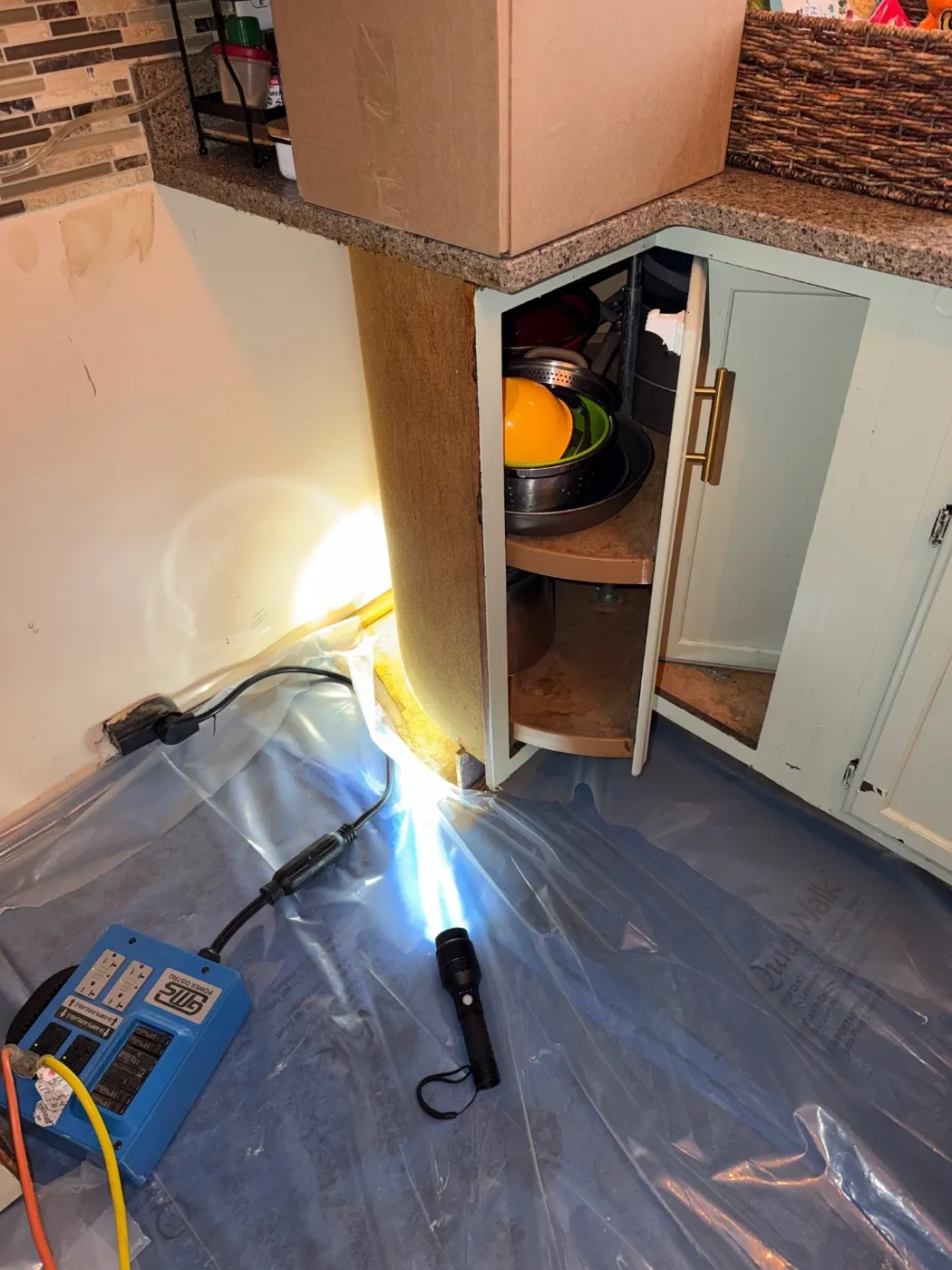
Commercial Flood Damage Cleanup in Fairmount, IN
Cleanup after creek and storm flooding for Fairmount property managers and business owners.
For Commercial Flood Damage Cleanup in Fairmount, Fairmount Water Restoration brings the equipment, the certifications, and the paperwork: 24/7 response, written scopes, and insurance claim support. Call (812) 515-1567 for dispatch.
- Service: Commercial Flood Damage Cleanup for Fairmount homeowners
- Service area: Fairmount, IN and surrounding areas
- Response time: Emergency calls from Fairmount dispatched immediately, day or night
- Licensed and insured (License #RC21100059)
- Serving Fairmount, IN since 2018
Commercial Flood Damage Cleanup for Fairmount Businesses
Water that started Friday night has had the whole weekend to move across the slab, into the wall cavities, under the racking, and up the drywall to a height nobody expects. Fairmount Water Restoration responds to commercial flood losses in Fairmount, IN, with high volume pumping, truck mounted extraction, and a moisture survey that finds where the water went after it stopped being visible on the floor.
The water category gets decided and written down before the first wall is opened. For rising floodwater and surface runoff, Fairmount Water Restoration treats the water as Category 3 and records where it entered and what it crossed to get there. That record sets the protective equipment and the disposal plan for your Fairmount property.
Below grade work runs in its own sequence. Water comes out of the elevator pit and the mechanical room first because that's where it pools and where the equipment lives. Block and poured walls get read for moisture at multiple heights, and desiccant capacity stays on them after the open areas have cleared, since masonry gives up water long after a floor feels dry underfoot.
Category 3 losses carry their own documentation requirements. Material removed from a contaminated area has to be identified and quantified, with disposal records to match, and the containment and protective equipment the job required belongs in the same file. Fairmount Water Restoration photographs each affected area before removal, logs what came out by room and in what quantity, keeps the disposal paper, and records the equipment used, because a Category 3 scope needs all of it on paper.
A commercial flood loss is a documentation problem and an occupancy problem at the same time. Fairmount Water Restoration takes the documentation off your desk so your attention can go to the occupancy side. Crews dispatch to Fairmount, IN, within two hours, pump and extract at commercial scale, and document every phase in the format your carrier reviews. Call the dispatcher and a crew starts loading out for your building.
Signs You Need Commercial Flood Damage Cleanup
If you notice any of these in your Fairmount building, schedule a free inspection before the issue worsens.
Wet insulation hanging out of a wall cavity after floodwater passed through
Water sitting in the loading dock well because the dock drain can't keep up
Floors that stay cold and damp for days after the water is gone, even with the HVAC running
Floor drains backing up or holding water long after the last discharge into them
Carpet squishing underfoot in an entry lobby after a heavy rain
Brown waterline marks across the walls of a lower level at the same height in every room
Mechanical room under water, with floodwater around the boiler or the air handler
Buckled or crowned laminate and engineered flooring in a break room, lobby, or office suite
Condensation forming on interior metal doors and glass partitions that stayed clear before the loss
Stored files and inventory that sat in floodwater on the bottom shelf or floor
How Fairmount Water Restoration Handles Commercial Flood Damage Cleanup
We follow these steps in order on every Fairmount job.
Details From the Call
The dispatcher collects the basics by phone, from the water source to the power status, and tells you what to leave alone until the crew arrives, such as wet electrical gear. A building contact is recorded so the crew can get into your Fairmount property.
Source and Contamination Check
The crew records where the water came from and what it crossed, and photographs the entry point. Floodwater and sewer backups get containment with HEPA filtered negative air before anything else, and every load of soaked material that leaves gets documented.
Disposal Records
Every load that leaves the building gets a log entry with the date and the type of material. The disposal receipt and a photo of the load go in the same file, so the removal record matches what was hauled away.
Phased Section Release
Areas that reach dry standard get released back to use while the crew keeps working sections that still hold moisture. Each release carries the readings for that zone, which lets the property come back in pieces as the building and your own occupancy requirements allow.
Closeout File and Repair List
You receive the photographs, readings, equipment logs and disposal records in one file, along with a list of what was removed room by room. The people doing the repairs can scope from that list.
Commercial Flood Damage Cleanup in Fairmount
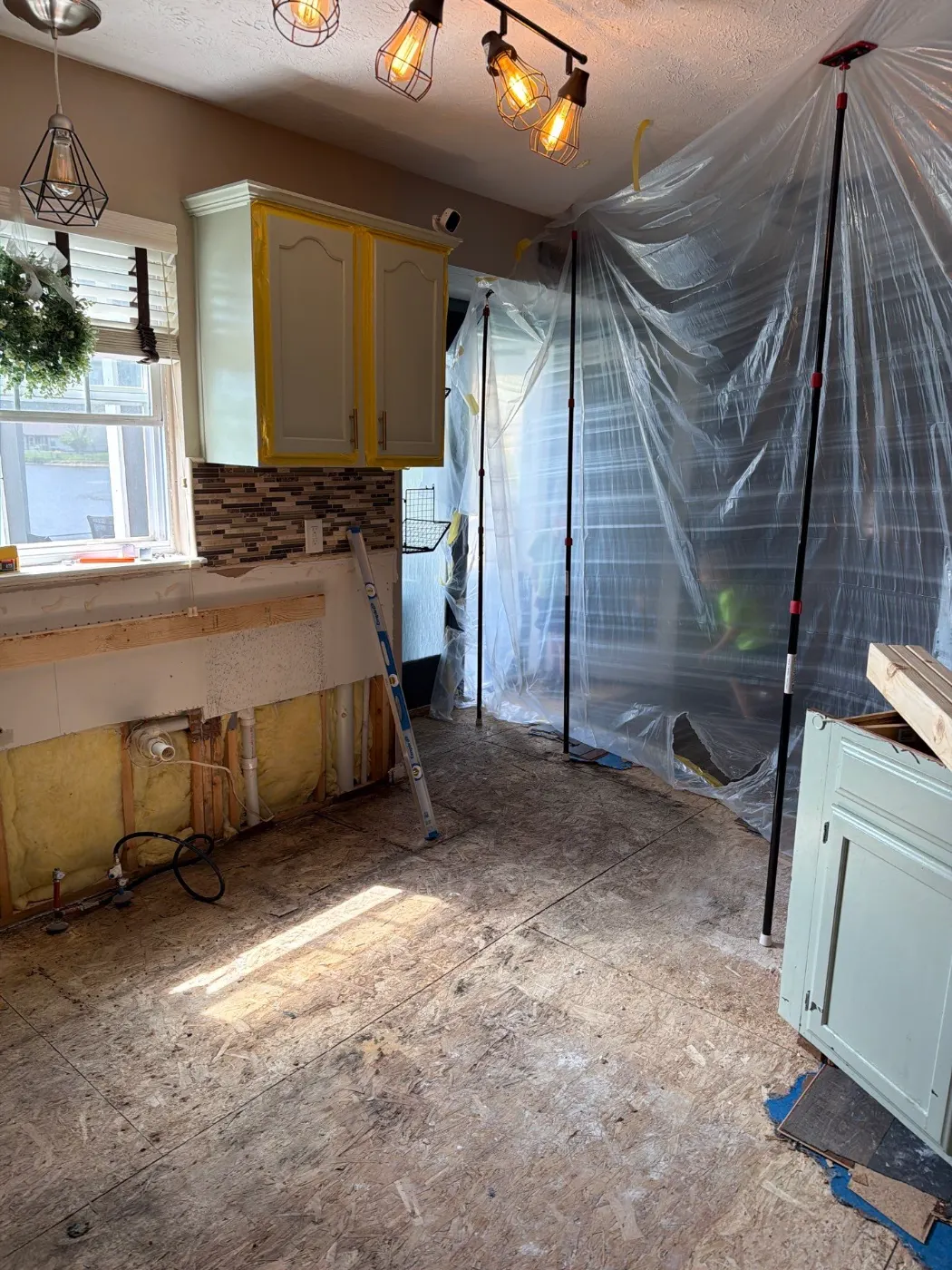
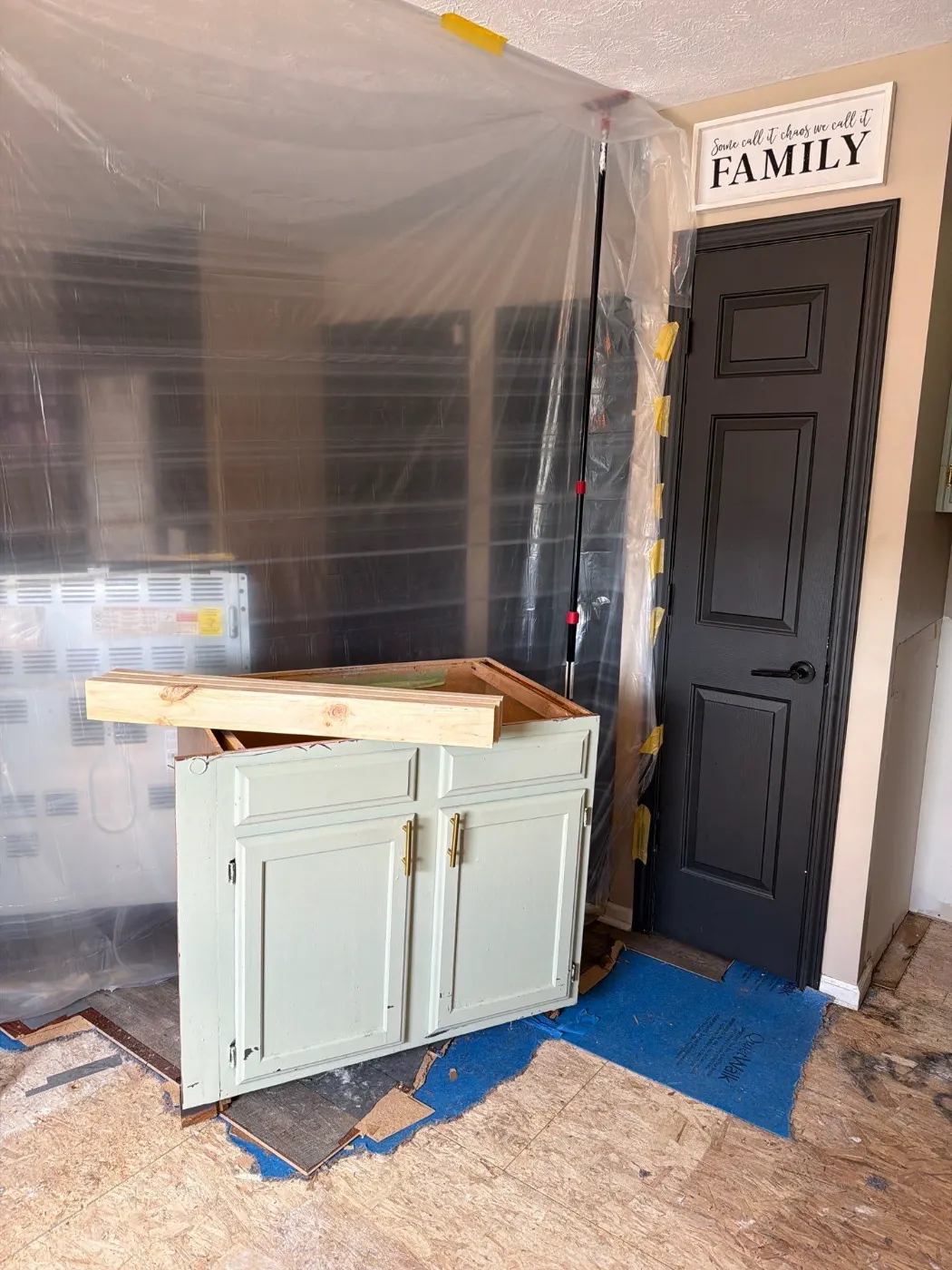
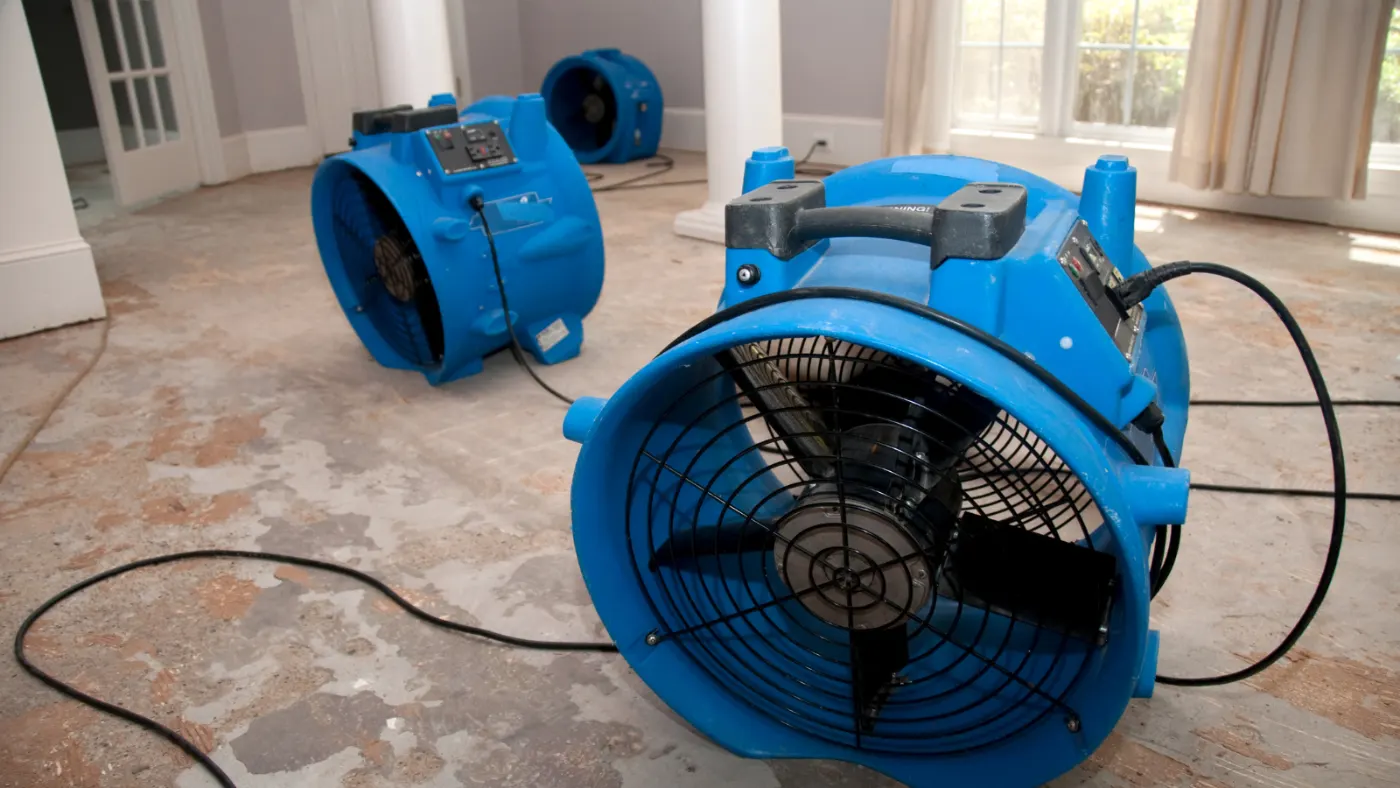
Photographs from real commercial flood damage cleanup jobs completed by our crew in Fairmount and surrounding areas.

Commercial Flood Damage Cleanup FAQ
Questions Fairmount property managers ask us about commercial flood damage cleanup.
Guidance and Standards for Commercial Flood Damage Cleanup
- The ANSI/IICRC S500 is the published standard for professional water damage restoration. The current edition is the Fifth Edition, 2021. IICRC S500 Standard
- EPA advises drying water damaged areas and items within 24 to 48 hours to prevent mold growth. EPA: A Brief Guide to Mold, Moisture and Your Home
Fairmount Neighborhoods We Serve
We take commercial flood damage cleanup calls in every part of Fairmount. Pick your neighborhood for local details.
Other Restoration Services in Fairmount
Fairmount Water Restoration handles the full scope of restoration work. Explore our other services below.
Water Damage Restoration in Fairmount
24/7 emergency response. IICRC certified water restoration from extraction to full dry out.
Learn more →Basement Flooding in Fairmount
Basement water emergencies handled fast. Extraction, drying, mold prevention.
Learn more →Sewage Cleanup in Fairmount
Category 3 biohazard cleanup. Full containment, decontamination, structural restoration.
Learn more →Request Commercial Flood Damage Cleanup
Reach Us Directly
Our team is available 24/7 for emergencies and ready to schedule inspections during business hours.
Need Immediate Help?
For active water or mold emergencies, call us directly. We are available 24/7.